


Vet Tech Review
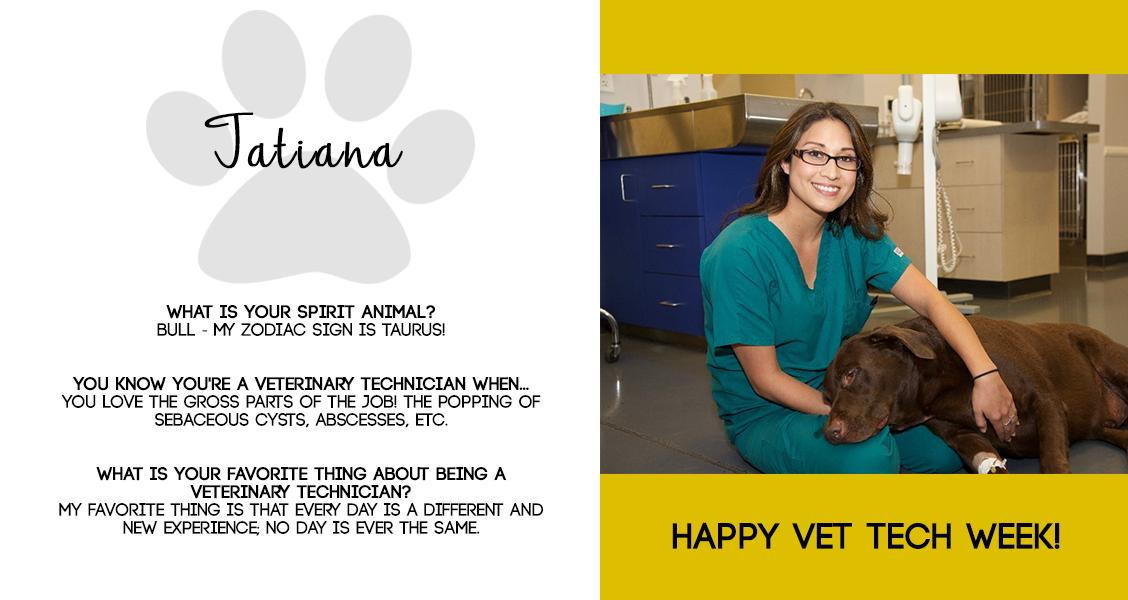
Vet service technicians help vets in detecting and dealing with animals in personal facilities, pet hospitals, as well as research study centers. The task consists of screening blood, urine, stool, and also other examples, administering vaccinations and various other medications under a veterinarian's direction, carrying out anesthetic as well as otherwise preparing pets for surgical procedure, as well as any type of other job essential to help veterinarians with the treatment and also treatment of pets.
This profession normally calls for the capability to do the complying with tasks: Assist veterinariansMonitor vital signsObtain blood, feces, and other samplesTest blood, stool, as well as various other samplesTake x-raysPrepare animals for surgeryPerform dental proceduresEmergency very first aidRestrain pets throughout examsAdminister anesthesiaAdminister medicines and vaccines, and also treatments prescribed by a vet Veterinary professionals offer veterinarians in means that resemble what research laboratory professionals as well as registered nurses provide for medical professionals.
They additionally test blood and also other examples as essential. Certain duties may vary relying on where a veterinary professional works. For instance, those working in tiny exclusive methods serving household pet dogs likely will invest even more time helping veterinarians with therapies as well as dealing with family pet proprietors. Those operating in study laboratories, nevertheless, might invest even more of their time in a research laboratory setup, performing tests.


$ 33,400 ($ 16.05/ hour) $49,350 ($ 23.72/ hr) $22,880 ($ 11.00/ hr) A bachelor's degree is not essential, but vet technicians do require to complete a two-year program as well as pass an examination to become accredited to operate in the state where they live. Ambitious vet technicians make a partner's level from a two-year veterinary modern technology program that has received accreditation from the American Vet Medication Association (AVMA) Committee on Veterinary Professional Education And Learning as well as Activities (CVTEA).
Scientists in Detail
Licensing needs for vet technicians differ by state. The American Association of Veterinary State Boards (AAVSB) administers the Veterinary Service Technician National Exam, which commonly is required. AAVSB maintains contact info for licensing boards in the UNITED STATE and Canada on its web site. Formal training usually consists of research laboratory as well as medical deal with real-time animals.
It's also a great idea to volunteer at a veterinarian's office or a pet shelter to obtain experience. Along with official training, there are personal qualities as well as soft abilities that will assist vet service technicians do well in the area. Vet specialists require to be able to comply with the instructions of overseeing vets and often pet proprietors if taking care of them directly.
Veterinary specialists require to track laboratory samplings and also medicines for multiple animals. Functioning alongside veterinarians and also vet aides requires the ability to collaborate activities with theirs. Vet technicians get on their feet the majority of the day, and also sometimes they need to help with restraining animals during treatments or when taking blood.
It is necessary to continue to be expert while still making pets and also their proprietors as comfortable as possible. Demand for veterinary specialists is expected to enhance in the future because of a rise in the number of houses with pet dogs, according to the UNITED STATE Bureau of Labor Statistics. Work development is predicted at 20 percent for the years finishing in 2026, virtually three times as great as the 7 percent development predicted for all line of work. Animal Care.
What is Vet Jobs?
Much of a veterinary service technician's job is done in a lab setup, yet specialists likewise could help vets with tests and treatments when needed and also relevant. Those in this job get to contribute in helping unwell as well as injured animals, yet it also can be tough work. The work in some cases consists of handling aggressive, frightened, mistreated, or hurt pet dogs, as well as might need helping vets with euthanizing pets.
Joseph T. Koza is a Veterinary Assistant in Wauconda,
Illinois, dedicated to supporting animal healthcare through organized clinical
work and attentive monitoring. With a background in Animal Sciences and a
focused interest in analgesia, he assists veterinarians with examinations,
laboratory diagnostics, and recovery care. His role reflects steady
responsibility, accurate documentation, and consistent collaboration within a
structured veterinary environment.
Educational Background and Applied Learning
Joseph gained his academic foundation through formal
study in Animal Sciences. His coursework provided knowledge of anatomy,
physiology, and the biological processes that influence animal health. This
preparation allowed him to understand how illnesses develop and how clinical
interventions are planned.
Joseph later transitioned into hands-on veterinary
practice, where classroom knowledge became part of daily routines. In clinical
settings, he learned that preparation and organization are essential to
effective care. Each appointment, whether routine or urgent, requires focus and
adaptability. By remaining observant and structured in his approach, he
supports smooth patient flow and careful evaluation.
Patient Intake and Assessment
He assists with patient intake by collecting medical
histories and documenting information provided by pet owners. Accurate
recordkeeping forms the basis of diagnostic decisions and ongoing treatment
plans. Careful listening during intake ensures that concerns are recorded
clearly.
Monitoring vital signs such as temperature, heart
rate, and respiratory rate is part of routine assessment. These measurements
offer insight into overall health and help identify potential abnormalities. He
also prepares laboratory samples and ensures they are handled in accordance
with established standards, supporting reliable test results.
Before procedures begin, he organizes instruments and
prepares treatment areas. During examinations or surgeries, he observes patient
responses and assists as directed. This preparation helps maintain safety and
operational consistency.
Pain Management and Recovery Care
Pain management is a significant part of his
professional focus. Animals often communicate discomfort through behavior
rather than direct signals. Observing posture, appetite, and movement allows
early recognition of potential pain.
Joseph T. Koza assists with anesthesia protocols and
monitors patients carefully during recovery. Watching breathing patterns,
circulation, and responsiveness helps ensure that complications are identified
quickly. Supporting appropriate analgesic practices promotes humane treatment
and encourages smoother healing. His steady attention to recovery reflects a
practical commitment to patient wellbeing.
Technical Duties and Clinical Accuracy
Joseph performs technical tasks that require precision
and consistency. These include administering injections, placing intravenous
lines, and assisting with imaging procedures. Each action must be carried out
carefully to ensure patient safety.
Maintaining clean and organized treatment areas
supports infection control and efficient workflow. Proper equipment preparation
reduces delays and enhances clinical reliability. Through dependable
operational support, he contributes to structured daily practice.
Documentation remains central to the continuity of
care. Recording medications, procedures, and observations ensures that
information is available for follow-up visits. Clear records enhance
communication among veterinary team members and support coordinated treatment
planning.
Communication with Pet Owners
Veterinary care involves ongoing interaction with pet
owners. He reinforces instructions regarding medications, recovery steps, and
preventive care. Clear and straightforward explanations help clients understand
their responsibilities and maintain consistency at home.
When pets face serious illness or advanced age,
conversations may become emotionally complex. He approaches these moments with
composure and respect. While veterinarians guide medical decisions, support
staff help create a calm and organized atmosphere. Providing steady assistance
during difficult discussions supports trust within the practice.
Adaptability Across Clinical Settings
Veterinary assistants may work in private clinics,
hospitals, emergency facilities, or specialty environments. Each setting
requires flexibility and readiness. Routine appointments demand organization,
while urgent cases require immediate coordination.
He understands the importance of adapting to varying
demands. Remaining attentive and cooperative allows him to respond effectively
to changing situations. Teamwork ensures that patient care remains consistent
and timely regardless of the environment.
Professional Development and Evolving Practice
Joseph T. Koza recognizes that veterinary medicine
continues to advance through research and updated standards of care. He values
ongoing education as part of maintaining professional competence. Staying
informed about developments in analgesia and patient monitoring strengthens
clinical contribution.
As responsibilities for veterinary assistants expand,
Joseph understands that continued skill development supports both technical
performance and communication. The profession increasingly acknowledges the
important role of trained support staff in diagnostics and recovery management.
Through steady improvement, he aligns with advancing veterinary standards.
Commitment to Animal Welfare
Animal welfare remains central to his daily work. From
intake assessments to post-operative monitoring, he focuses on minimizing
stress and maintaining stability. Calm handling techniques help animals adjust
to clinical settings.
Careful observation during recovery allows early
identification of complications. Supporting pain management protocols ensures
humane and effective treatment. His approach emphasizes attentiveness and a
timely response to patient needs.
Educating pet owners about preventive care and
follow-up visits extends the impact of clinical treatment beyond the
appointment. Clear communication strengthens the partnership between veterinary
professionals and families.
Continued Dedication to Veterinary Service
Joseph T. Koza continues to serve in veterinary medicine in Illinois with steady commitment and responsible teamwork. Grounded in Animal Sciences and attentive to analgesia and patient monitoring, he remains focused on precision, organization, and ethical care. Through consistent clinical effort and ongoing professional growth, Joseph upholds a clear dedication to supporting animal health and maintaining reliable veterinary standards.

